Why your business needs a website (and when a custom system)
What a website does for your business, when it's no longer enough, and what a system built around you can do.
By Bruno Varela · September 28, 2026 · 8 min
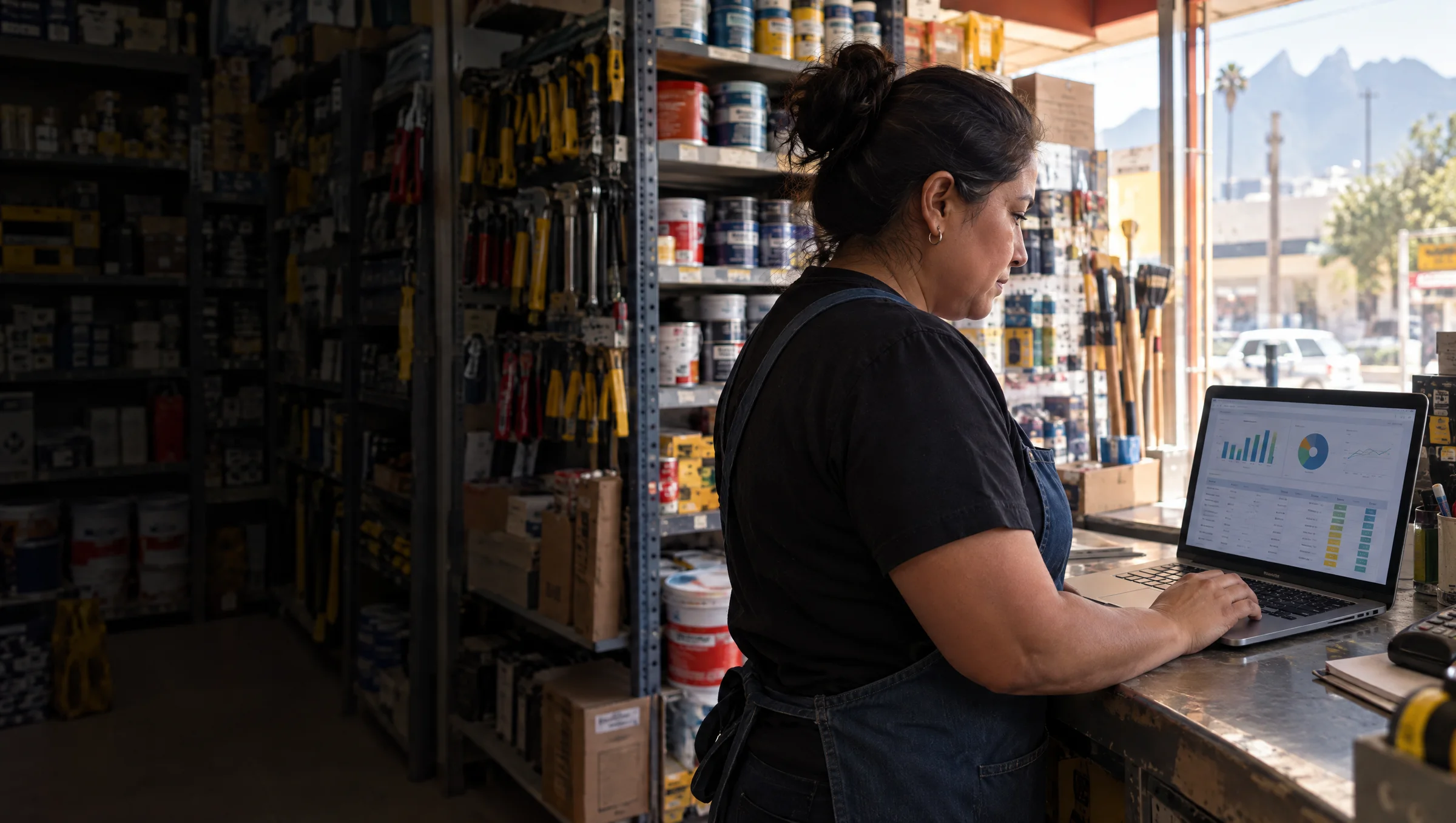
Your business needs a website because it's where people find you, compare you and decide whether to reach out. Instagram and WhatsApp help, but they aren't yours; a website is. And once the business grows and day-to-day work lives across spreadsheets, notebooks and chats, the next step isn't another website: it's a custom system.
Here we explain, without jargon, what each one does, the signs that you need a system, what you can have with one and how to decide where to start. If you want to know what fits your business specifically, you can get a quote in three steps.
En corto
- A website gives you a presence of your own: people find you on Google, see what you do and contact you.
- A system organizes your operation: inventory, orders, appointments, customers and reports in one place.
- If your problem is that nobody finds you, start with the website. If it's that you never have enough time, start with the system.
What a website is and what it does for your business
A website is your address on the internet: a page with your name, what you offer, where you are and how to reach you. For a business it does three concrete things:
- Helps people find you. When someone searches Google for what you sell in your city, a website puts you on the list. An Instagram profile rarely shows up for people who don't know your name yet.
- Helps people trust you. Before messaging you, people check that you're real: photos, address, hours, past work. A good website answers that in seconds.
- Gets people to contact you. A WhatsApp button, a form or a quote tool turns a visit into a conversation.
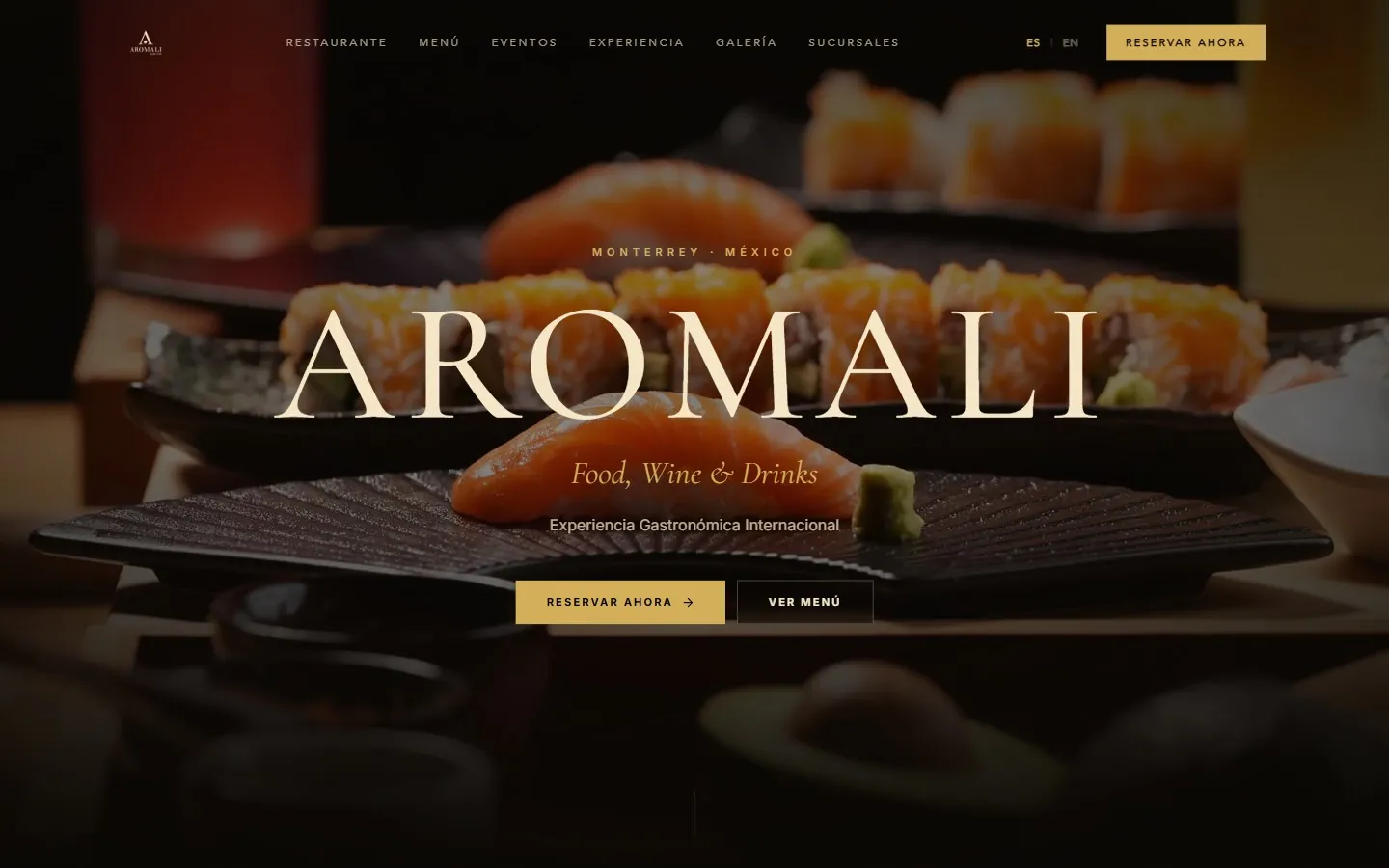
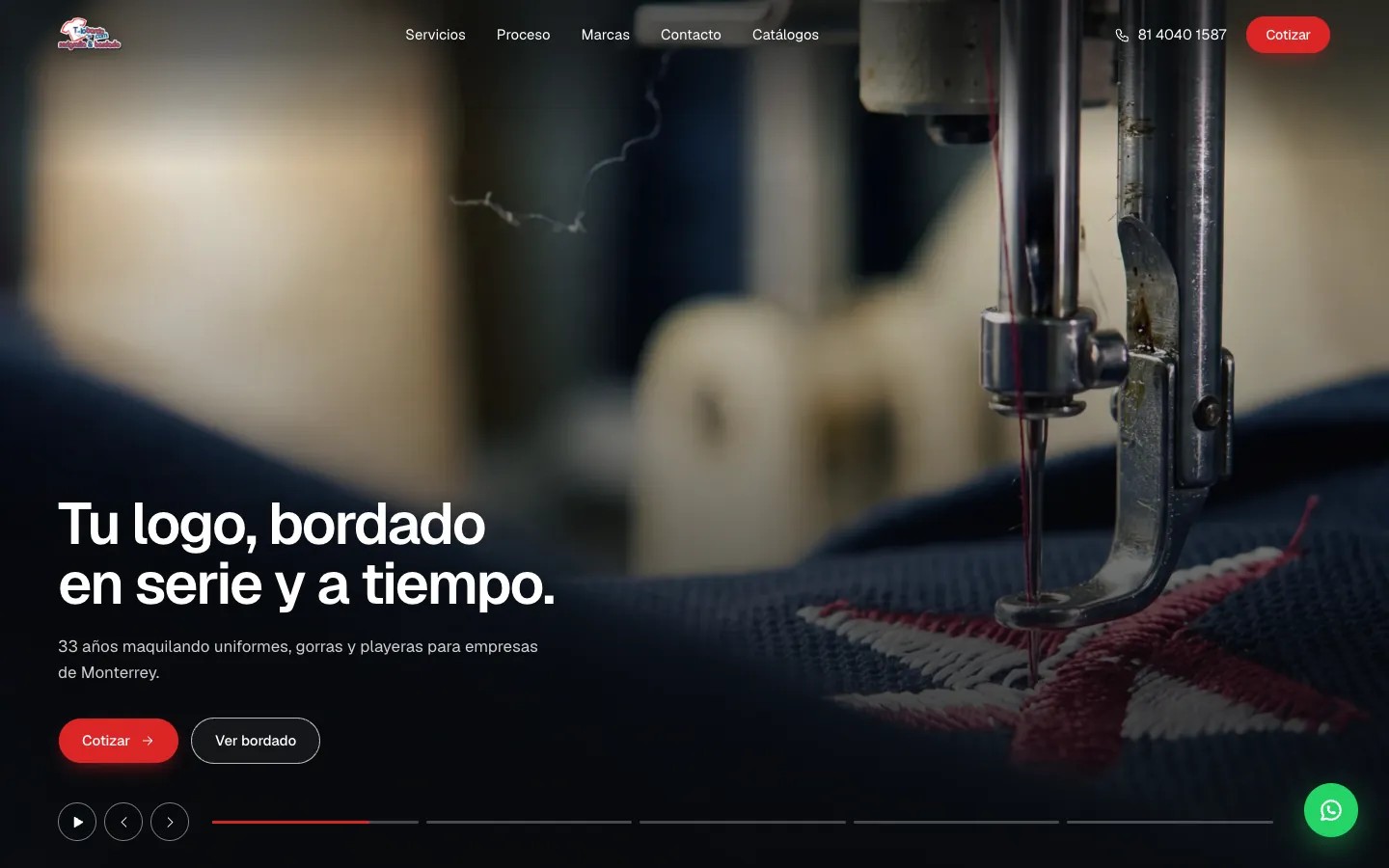
A website doesn't have to be huge. A restaurant needs its menu, photos, location and reservations; a factory needs its services, its catalog and a quick way to request a quote.
Why a website matters even if you're already on Instagram
Social media is great for being seen. But it has limits a website doesn't:
Social media only
- The platform decides who sees what you post.
- Your information gets buried under old posts.
- If your account is closed or hacked, you lose your storefront.
- You rarely show up when people search Google without knowing you.
With a website
- You decide what's shown and in what order.
- Services, catalog, hours and location, always at hand.
- The domain and the content are yours.
- You can show up on Google for searches about your trade and your city.
The ideal is to use both together: social media attracts, the website convinces. Every post can point to a page on your site where people find everything and message you.

What a custom system is and how it differs from a website
A website faces outward: it's for your customers. A custom system faces inward: it's an application, on a computer or a phone, that does your business's daily work the way you do it.
It isn't generic software you have to adapt to. It's the other way around: it's designed from your processes, your steps and your permissions. That's why your team uses it without fighting it.
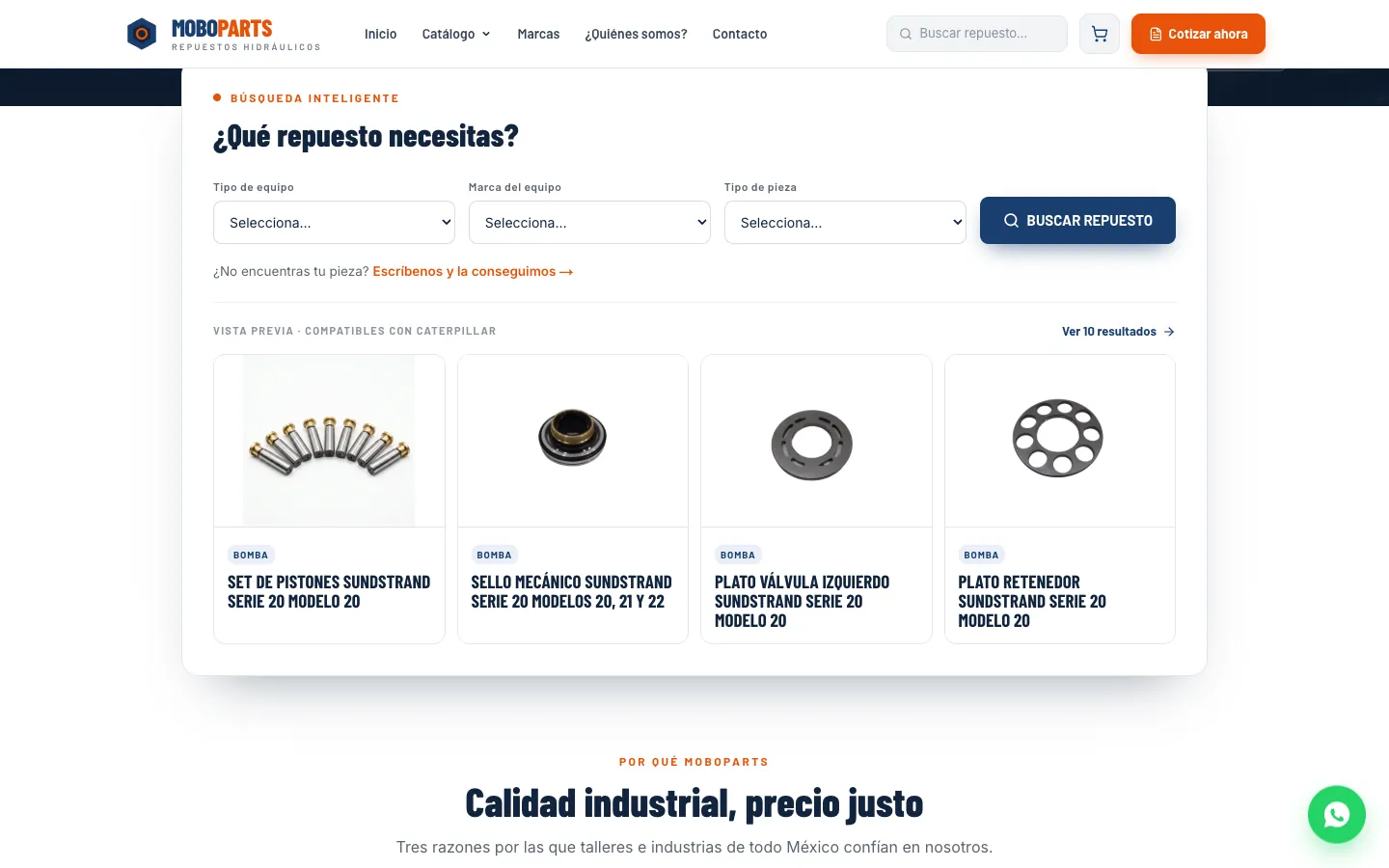
Often both go together: a public website to sell and a private panel to operate. The catalog customers see is the same one your team updates behind the scenes.
Signs your business needs a system
A system isn't for every business or every moment. These signs say it's time:
- Orders, appointments or quotes live in WhatsApp and sometimes get lost.
- You have several spreadsheets that say different things and nobody knows which one is right.
- Only one person knows how something is done, and if they're out, it stops.
- You spend hours every week copying data from one place to another.
- You don't know right now how much you sold, how much inventory you have left or which customer owes you.
- You already pay for one or more generic tools and still end up in Excel.
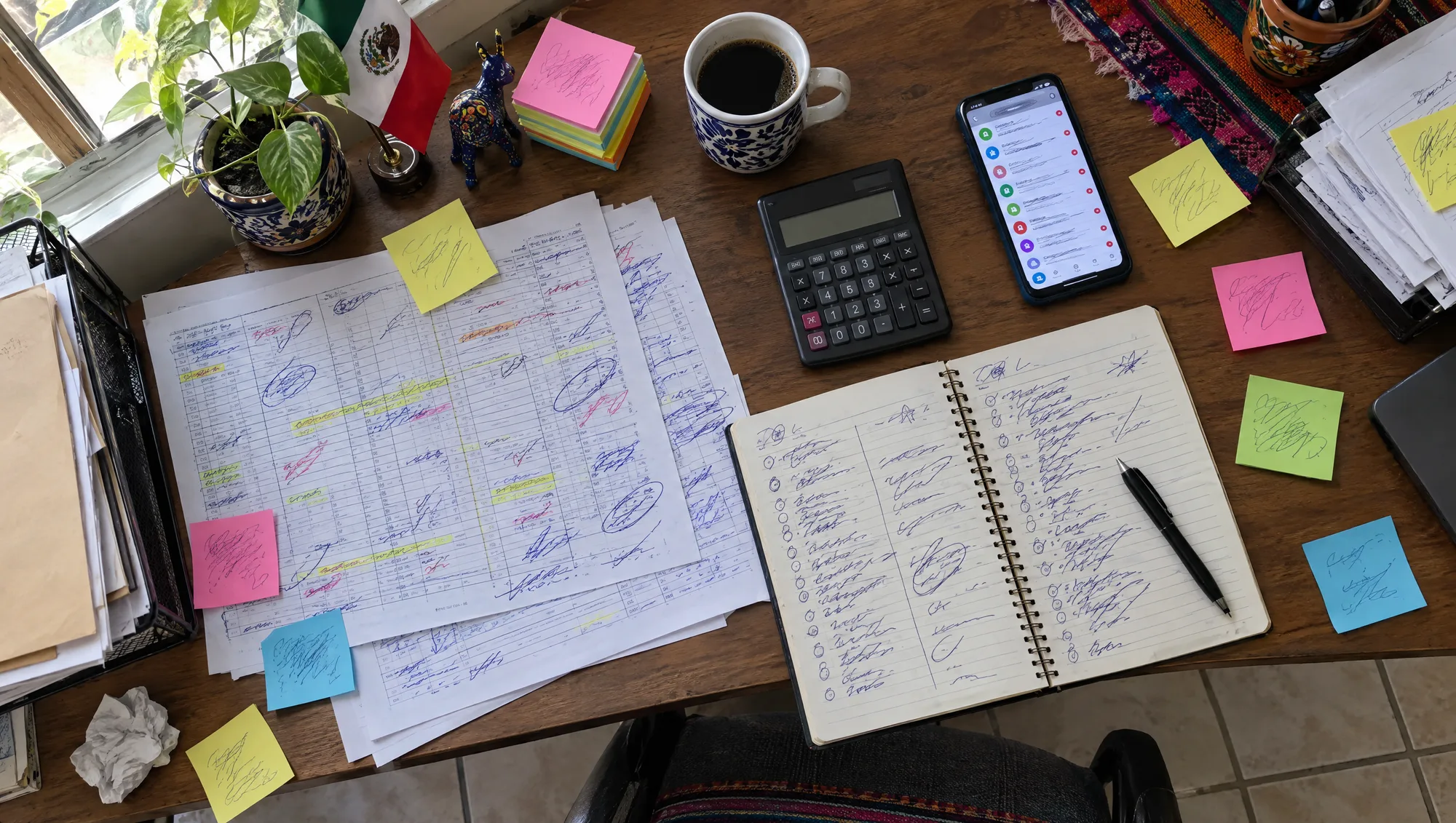
If two or more sound familiar, it's worth checking how much of your team's time goes into them. The home page has a calculator that works it out in a minute.
What you can have with a custom system
What a system includes depends on your business, but these are the most requested pieces:
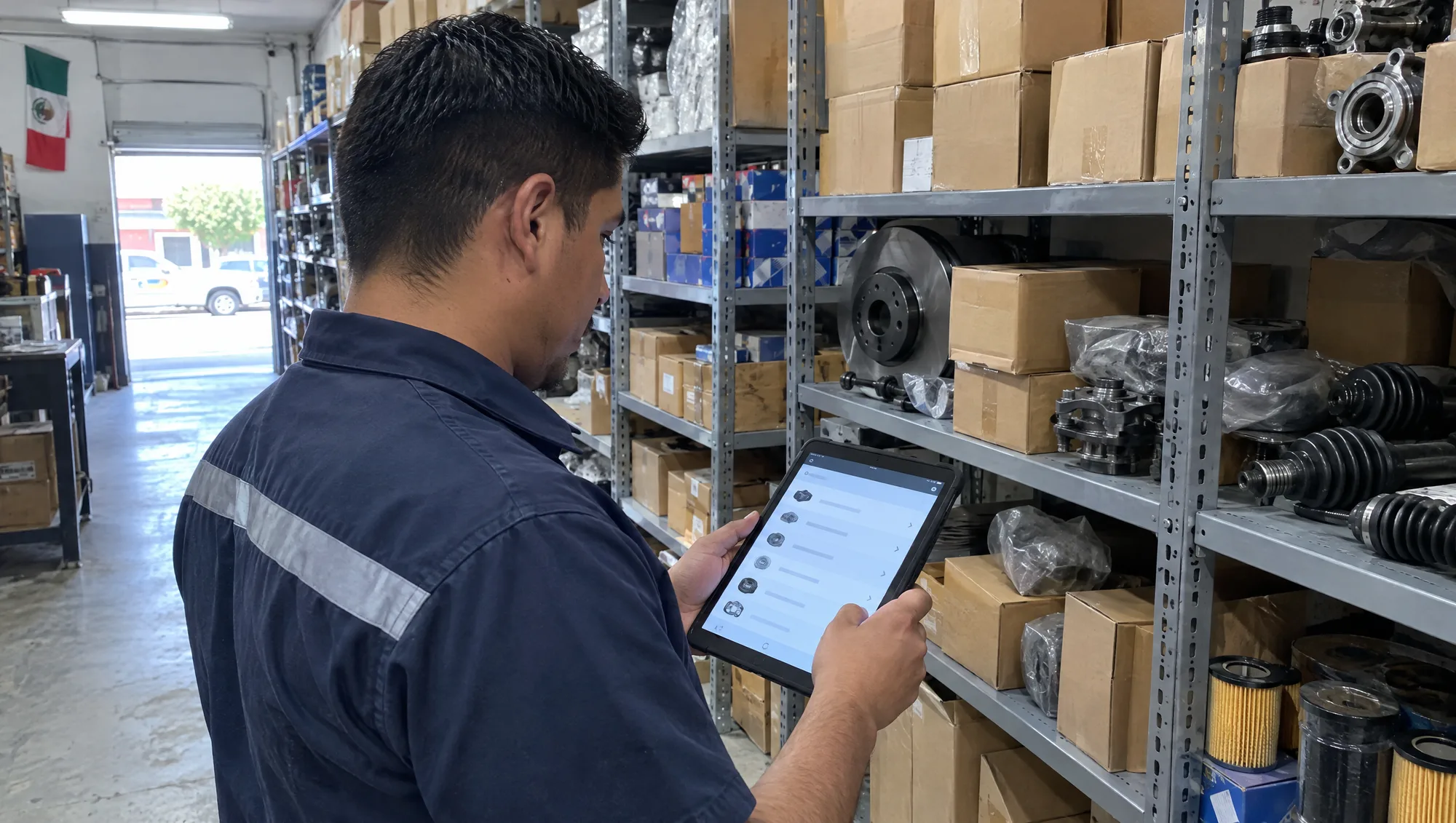
- Inventory with live stock, incoming and outgoing items, and alerts when something runs out.
- Orders and sales that move through stages (received, in progress, delivered) that the whole team can see.
- Appointments and scheduling with reminders for your customers.
- Quotes put together in minutes with your prices and sent by email or WhatsApp.
- Customers in one place: their details, their history and what they've bought.
- Reports on sales, expenses and performance, with nothing assembled by hand.
- Users and permissions: everyone sees and does only what's theirs.
- A customer portal where clients check their orders or download their documents.
- Online payments and recurring billing, if you sell plans or memberships.
- Alerts by email, WhatsApp or notification when something important happens.
- A mobile app for people working in the field or in the warehouse.
A real example: ALFRANET is a platform to sell and manage lean manufacturing courses. It has plans, payments and each student's access to their courses, all in one system.

And with today's AI you can add things that used to be expensive to build: summarizing conversations, sorting orders or answering your customers' frequent questions.

Website or system: how to decide what you need first
Start with a website if…
- Almost nobody finds you online.
- Customers ask you for photos, location or your catalog on WhatsApp.
- You want more quote requests or reservations.
- You're starting out or opening a new line of business.
Start with a system if…
- You already have customers, but day-to-day work overwhelms you.
- Work depends on spreadsheets and chats.
- You need to know how the business is doing right now.
- You want to grow without hiring someone just to enter data.
And if you need both, they don't have to happen at once. It often makes sense to start with what hurts the most and add the rest in stages.
How a custom system is built, step by step
- A call to understand your business. You tell us how you work today, what gets complicated and what you want to achieve. About 20 minutes is enough.
- Scope, timeline and price. We send you in writing what's included, how many weeks it takes and what it costs, before we start.
- Design. You see how it will look and how it will be used before it's built, and we adjust it with you.
- Built in deliveries. It's built in parts and you see progress along the way; no waiting months to see anything.
- Launch and support. We set it up with your data, train your team and stay around for adjustments.

If you're not sure whether you need a website, a system or both, tell us how you work today. In the quote tool you put your project together in three steps: we give you a real price range and then reach out to fine-tune it with you.
Preguntas frecuentes
How long does it take to build a website?
It depends on its size. A site with a few pages takes weeks; one with a catalog, several languages or a quote tool takes longer. The quote tool gives you timelines based on what you choose.
Is a custom system more expensive than subscription software?
The upfront investment is usually higher. The difference is that the system is yours, does exactly what you need and you don't pay per user every month. To see if it's worth it, compare what you pay today in subscriptions and in your team's hours.
Can I start small and grow it later?
Yes, and it's the best approach: start with what solves the most and add pieces when you need them.
Does the system work on a phone?
Yes. It's built to work in the browser on computers and phones and, if needed, as an app you install.
Do I need to know about technology to use it?
No. It's designed with the words and steps your business already uses, so your team can use it without long training.