How much does a website cost in Mexico, and what drives the price
What makes a website cost more or less, what you pay once and every year, and what a quote should include.
By Bruno Varela · October 6, 2026 · 10 min
A website in Mexico can cost anywhere from nothing to as much as a car, and both quotes are usually honest: they're selling different things. The price isn't driven by how good it looks, but by how many pages it has, what it needs to do, who provides the copy and photos, whether you'll be able to edit it yourself and what happens after launch.
You won't find a price table here, because a number without context confuses more than it helps. What you will find is what makes a website cost more or less, what you pay once and what you pay every year, and what a quote should include so you can compare it. If you want a number for your case at the end, our quote tool shows you a range right away.
En corto
- A website's price is driven by scope: sections, features, content, an admin panel to edit it and languages.
- A template is cheaper upfront; a custom website is built for your business and your customers.
- On top of development there are recurring costs: domain, hosting and, if you want it, maintenance.
- Compare quotes by what they include, not by the total. And ask for the domain to be in your name.
Why two website quotes can be so different
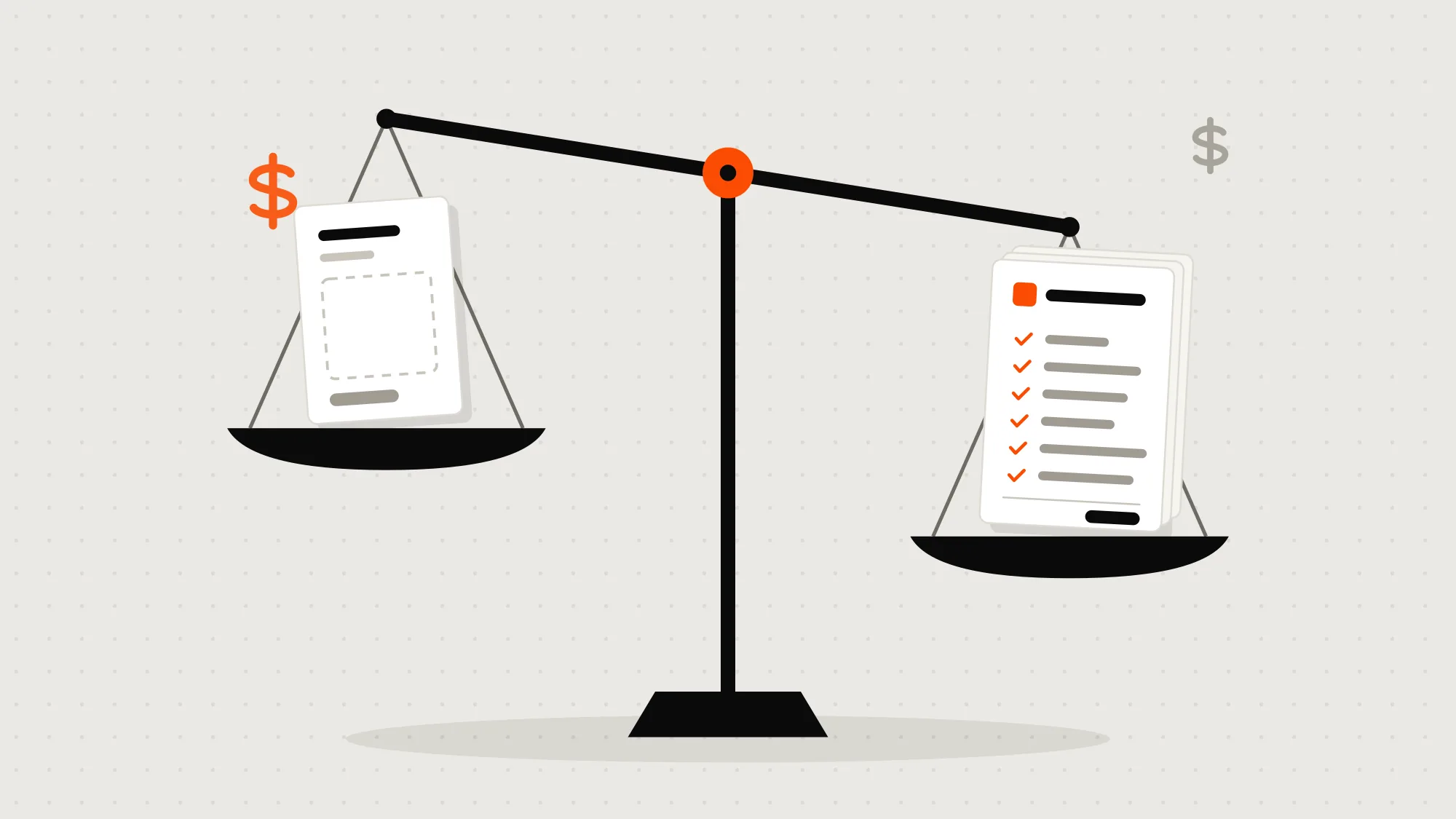
When you ask for prices, you get numbers that look nothing alike. Most of the time it's because each one is quoting a different job under the same name:
Template website
- Built on an existing design, swapping copy, photos and colors.
- It's quick and cheaper upfront.
- It looks like other sites that use the same template.
- Anything the template doesn't include is hard to add.
- Sometimes it stays tied to the platform it was built on.
Custom website
- Designed from your business, your customers and what you want them to do when they visit.
- It takes more design and development hours, so it costs more.
- It looks like your brand, not like just another site.
- It can do things specific to your business: quote, book, show your catalog.
- It can grow later without starting over.
Neither one is bad. For a business that's just starting, a well-made template can be enough. What matters is knowing what you're comparing: if one quote says «website» in a single line and another lists ten items it includes, they're not the same product.
Which kind of website you need: landing page, website or online store
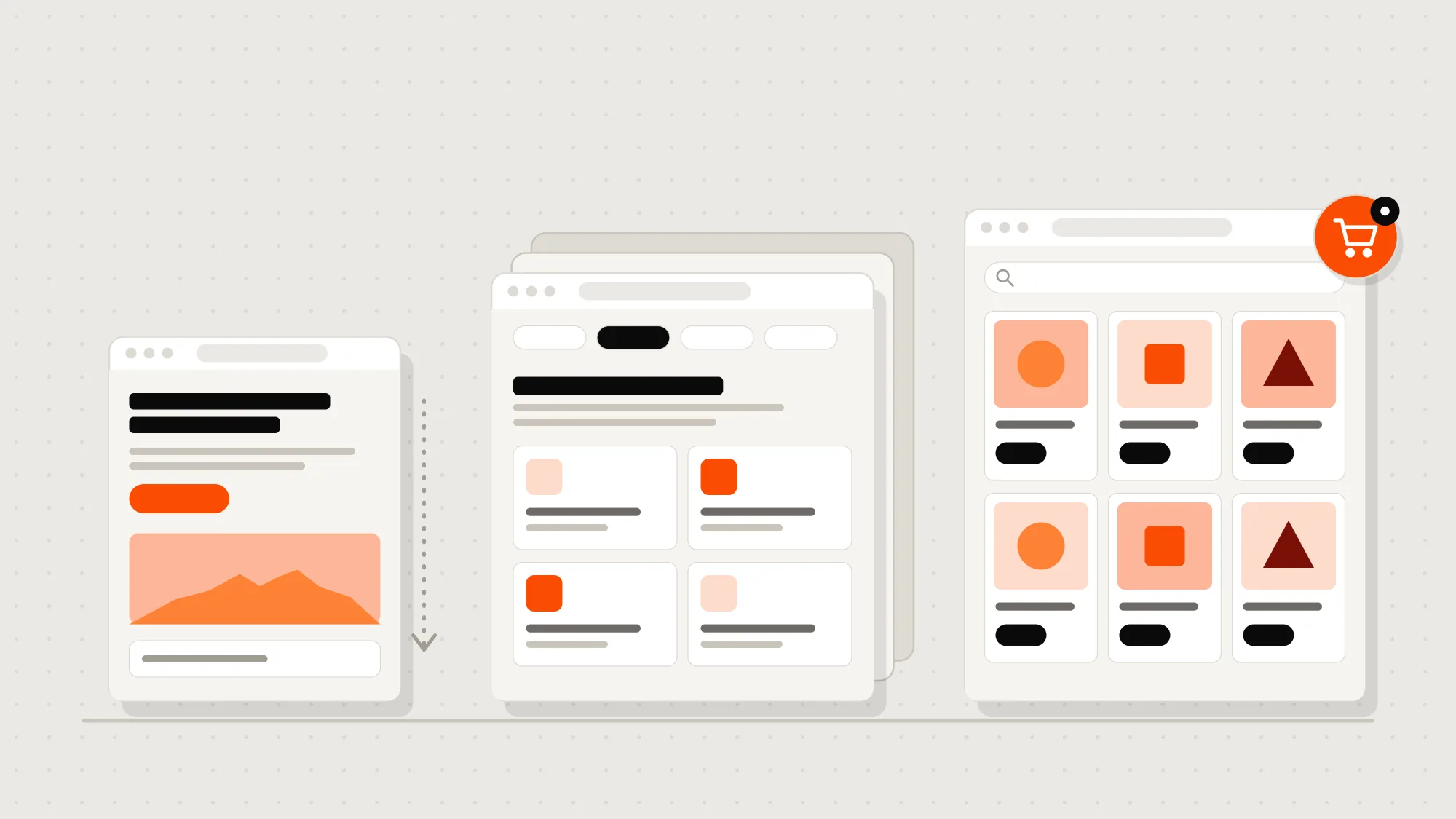
Before talking money, it helps to know what you need. There are three kinds of website, and each one takes more work than the last:
- Landing page. A single page with one goal: get people to message you, book or buy something specific. It's the fastest to build and works very well for campaigns and businesses that sell one service.
- Website. Several pages: home, services, about, contact and sometimes a blog or portfolio. It's what most companies need to be found on Google and trusted.
- Online store. Catalog, cart, payments, shipping and inventory. It takes the most work, because besides looking good it has to charge without errors.
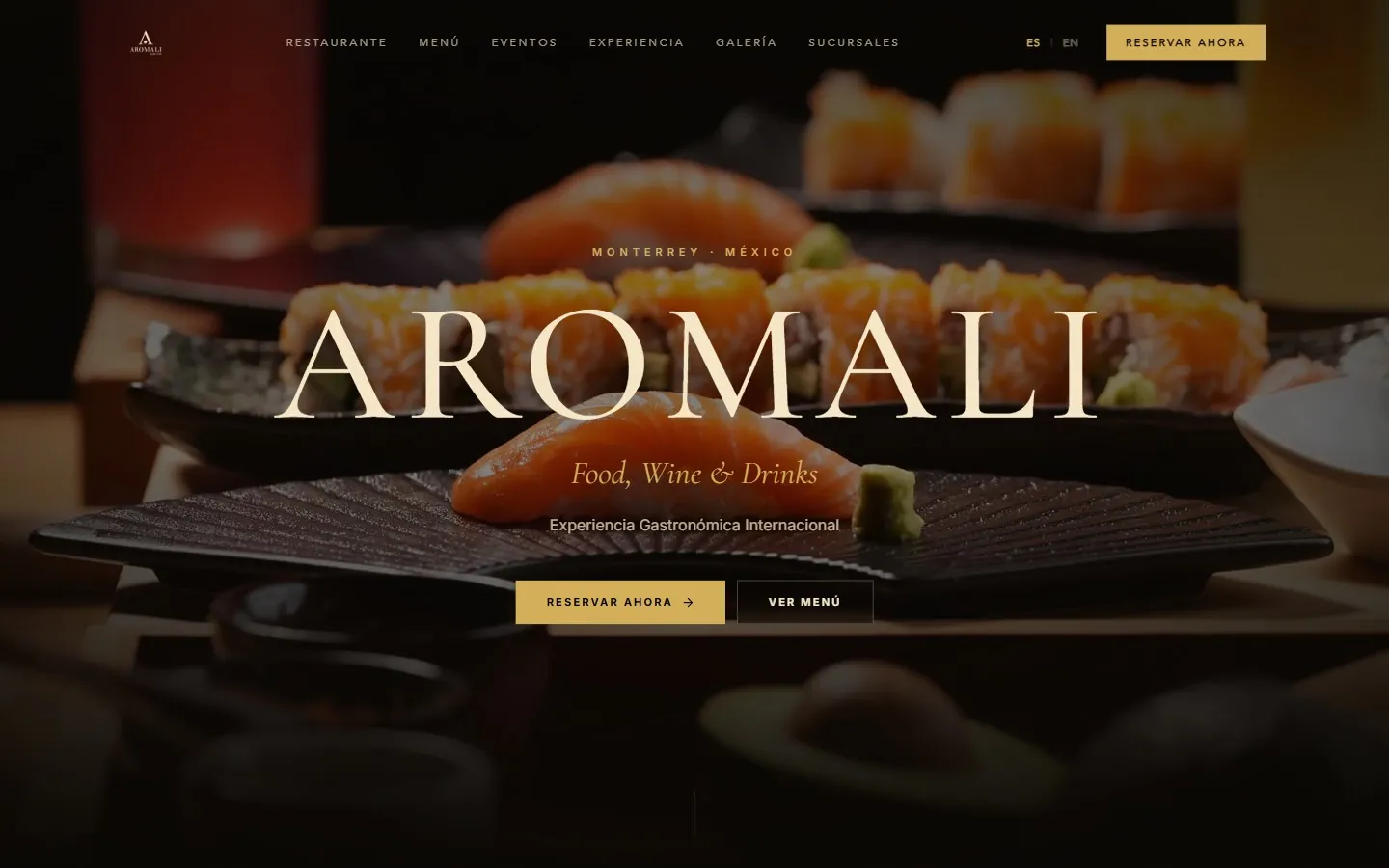
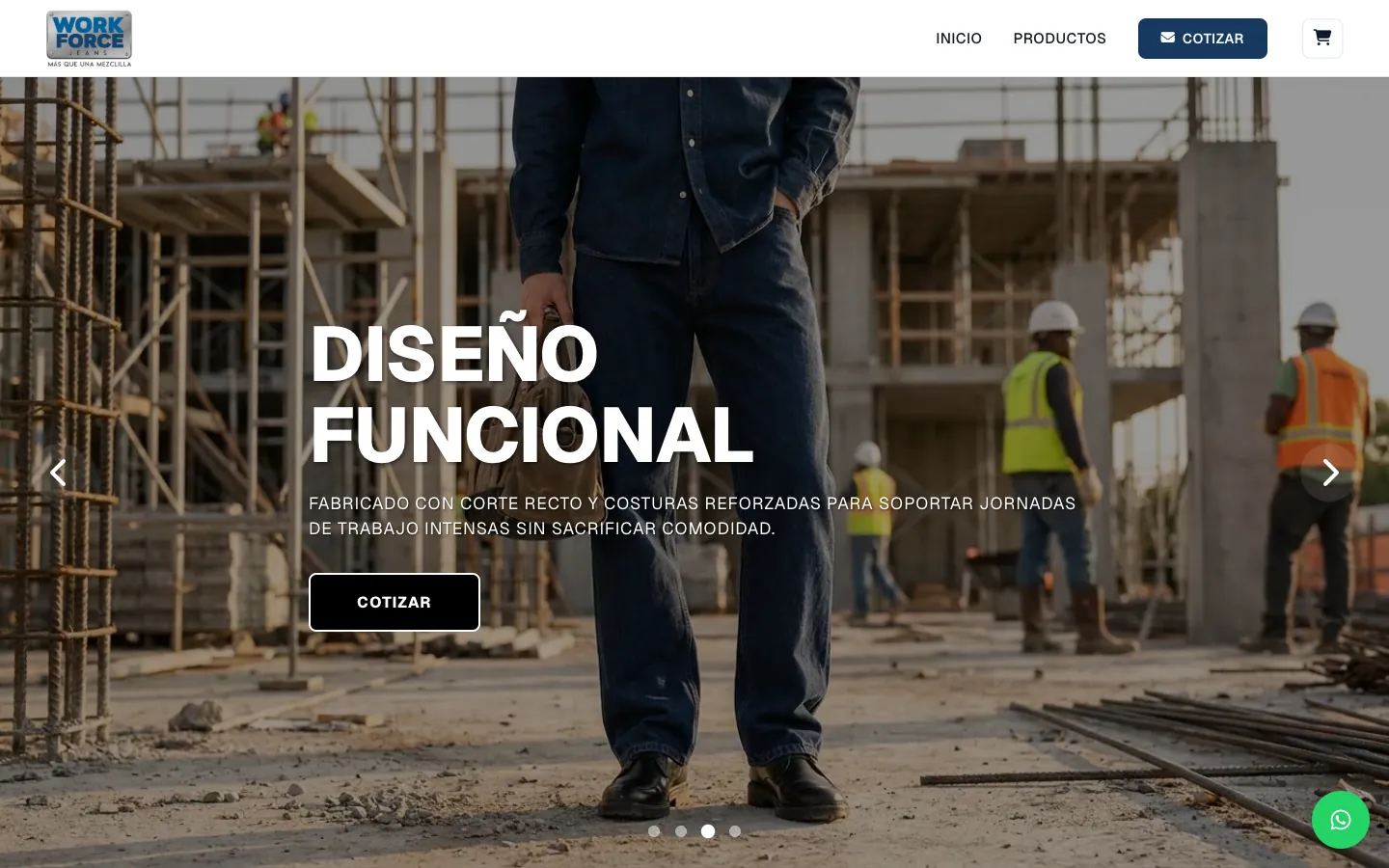
Two projects we built in Monterrey show how the work changes with what the website needs to do. Aromali, a restaurant, needed its menu, two locations, reservations and the site in Spanish and English. Work Force Jeans needed product pages with a size guide and a form to request bulk quotes.
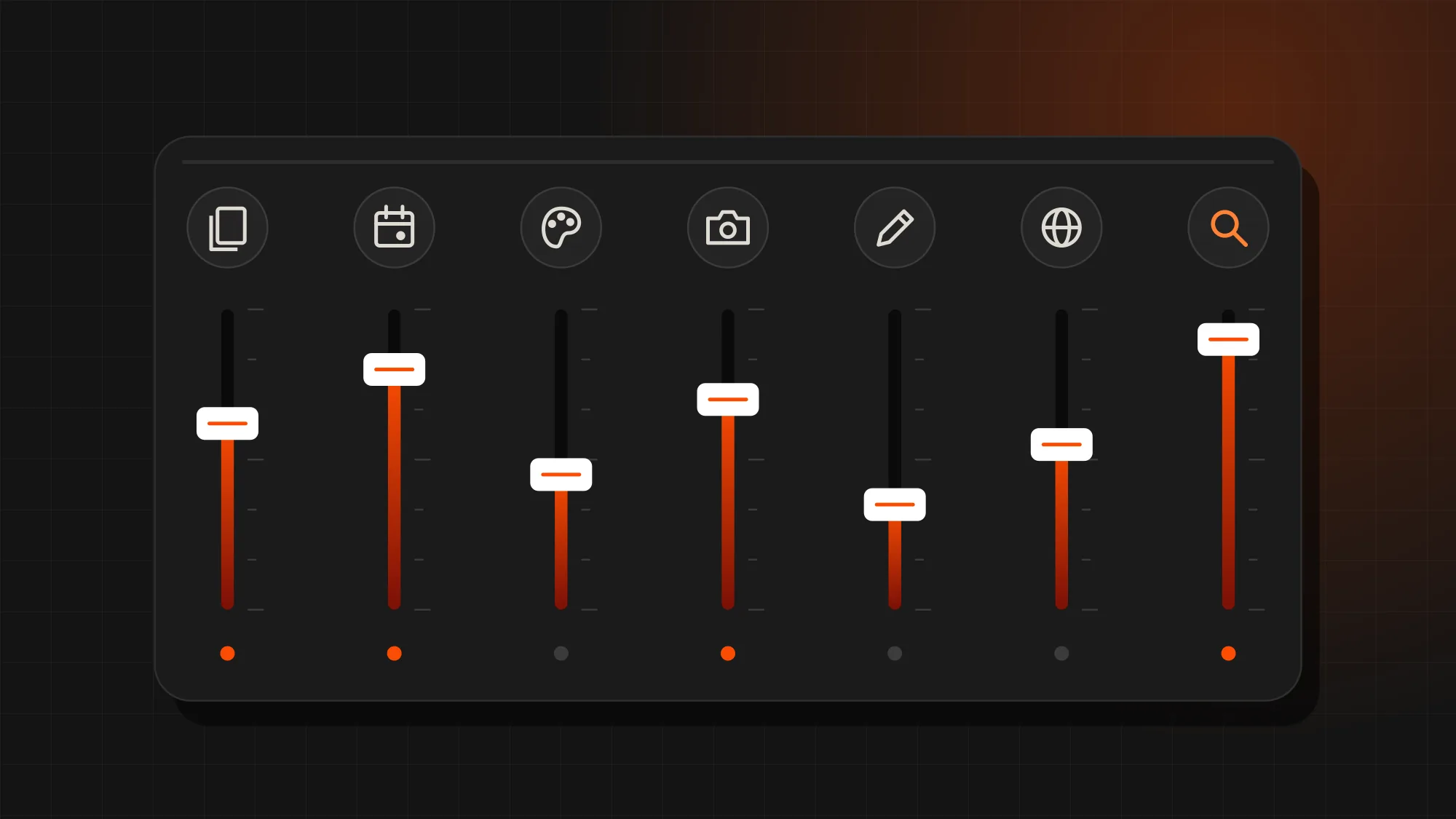
What drives the price of a website
These are the dials that make a website cost more or less. The more you turn up, the more hours it takes.
How many pages and sections it has
A landing page isn't the same as a ten-page website. Every new section needs design, copy, a mobile version and testing. A simple way to size it: list the pages you have in mind and remove the ones nobody will visit.
What it needs to do
A website that only informs is simpler than one that works: forms that land in your inbox, a WhatsApp button, appointment booking, a quote tool like ours, a chatbot that answers questions or online payments. Every feature adds up, and some, like taking payments, need more care than others.
Custom design or a template
Designing from scratch for your brand takes longer than adapting an existing design. The same goes for animations: a site that moves as you scroll feels more polished, but it also takes more work.
Who provides the copy, photos and videos
It's what delays projects the most and what gets forgotten the most when quoting. If you already have good copy and photos, you save. If they need to be written, shot or filmed, that's work too, and it's either quoted separately or included. Always ask which one.
Whether you'll be able to edit it yourself
With an admin panel you change copy, photos, prices or blog posts without depending on anyone. Without one, every change goes through whoever built the site. A panel costs more upfront and saves you messages and waiting later.
Languages, SEO and speed
A website in Spanish and English is almost twice the content. And whether it shows up on Google and loads fast on a phone depends on how it's built: titles, descriptions, data for search engines, lightweight images. Part of that is included from the start, and part of it, like writing articles every month, is ongoing work.
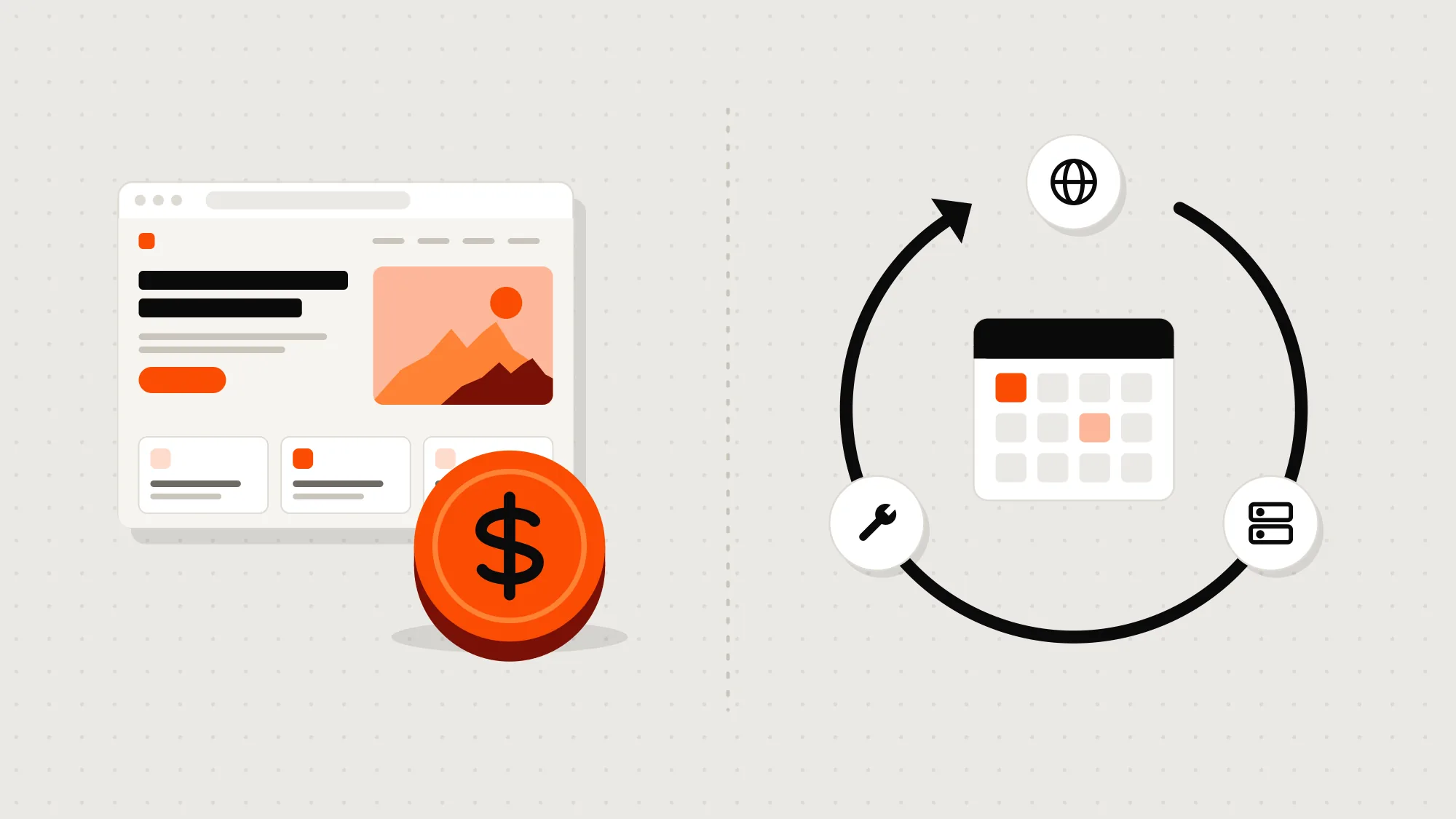
A website's price is driven by what it needs to do, not by how good it looks.
What you pay once and what you pay every year
Design and development are paid once. But a website on the internet has recurring costs, and it's worth knowing them from the start so they don't catch you off guard:
- The domain (yourbusiness.com or yourbusiness.mx): renewed every year.
- Hosting: the server where the site lives. Paid monthly or yearly, depending on the provider.
- Email on your domain, if you want it (sales@yourbusiness.mx).
- Maintenance and improvements: updates, changes and backups. It's optional, but someone has to do it.
- Monthly SEO, if you want to grow on Google with articles and tweaks every month.
Ask for the domain and hosting to be in your name. If they're in the name of whoever built the site and you stop working together one day, getting them back can be a problem. Same with the code: this article explains why it should live in your account.
What a website quote should include
A serious quote lets you compare. Before you decide, check that it says:
- Which pages and sections it includes, one by one.
- Which features it has: forms, WhatsApp, booking, payments, admin panel, blog.
- Who provides the copy and photos.
- How many rounds of changes are included in the price.
- How many weeks it takes and what they need from you to meet that.
- Whose name the domain, hosting and code are in.
- What happens after launch: whether there's a warranty, maintenance and what it costs.
- How payment works: deposit, milestones and delivery.
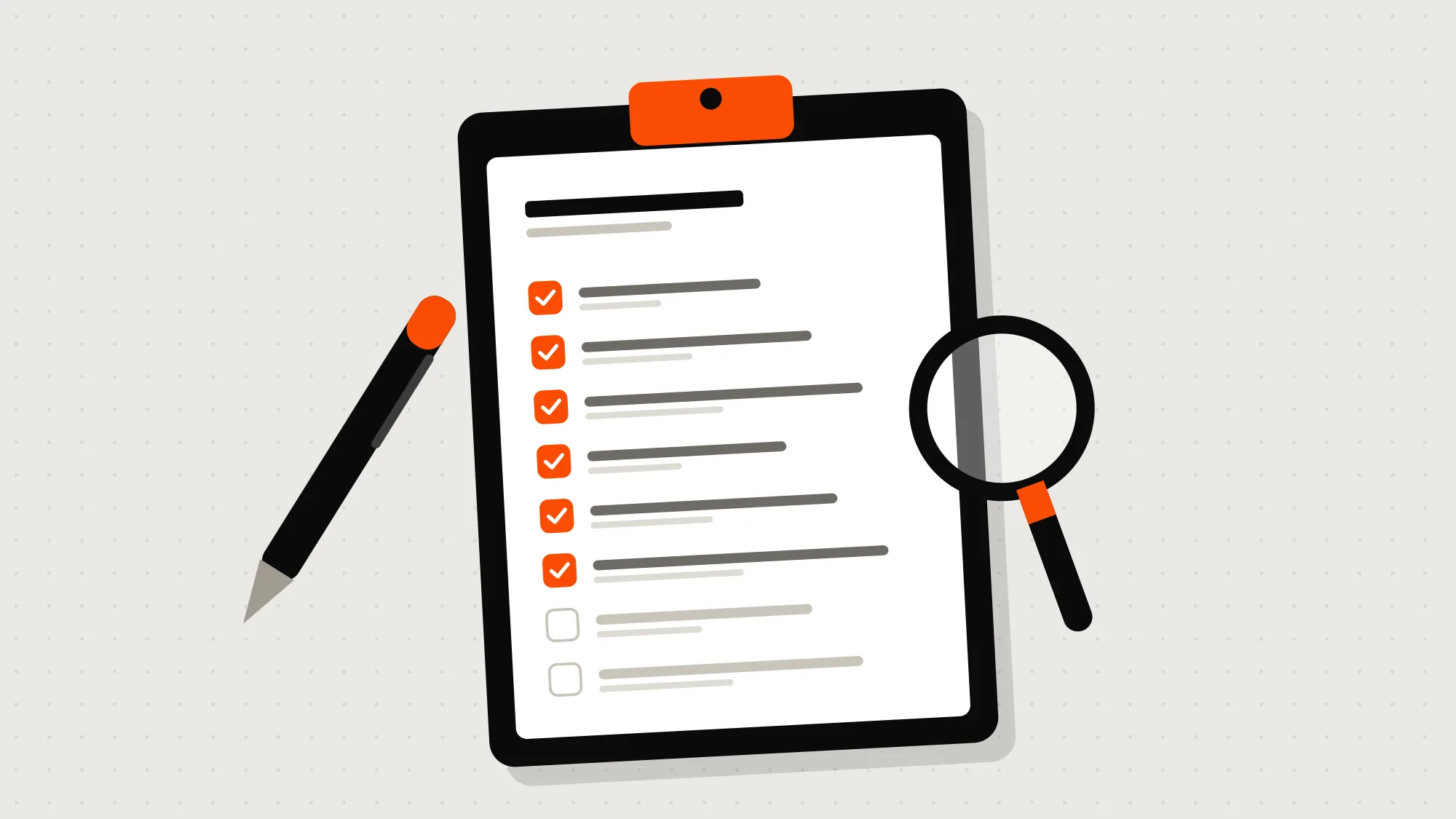
To compare two quotes, put them side by side and check off what each one includes. Often the «cheap» one leaves out the content, the admin panel or the domain, and ends up costing the same or more.
How to lower the price without your website looking cheap
There are healthy ways to control how much you invest:
- Start with what's urgent. A well-made landing page today is worth more than a huge website that takes months to launch.
- Have your copy and photos ready. It's the most direct way to save time and money.
- Build it in phases. The website first; then the blog, the store or the second language.
- Don't pay for features you won't use. A chatbot or a store is only worth it if someone is going to run it.
- Ask for room to grow. If the first version is well built, adding things later doesn't mean rebuilding it.
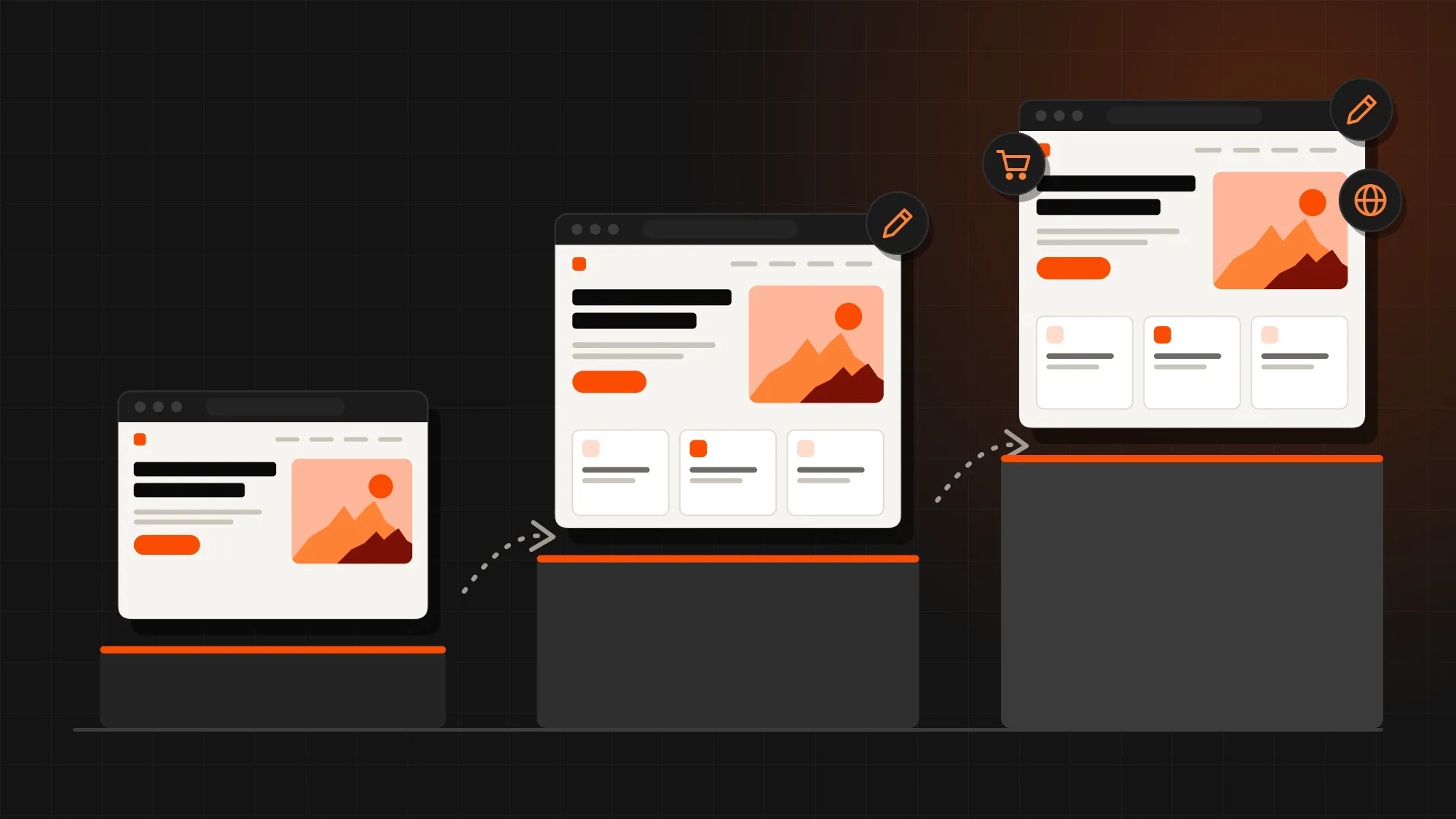
How long it takes and how a website gets built
For reference, in our quote tool a website takes 2 to 4 weeks. This is how we work at Vareliuu:
- A 20-minute call. You tell us what you sell, to whom and what you want people to do when they visit your website.
- A written quote. Which pages and features it includes, how many weeks and how much it costs, before we start.
- Design. You see how it will look on desktop and on mobile, and we adjust it with you.
- Development with progress updates. You try the site on a preview link while it's being built, not at the end.
- Launch. We publish it on your domain, with the Google basics ready and everything in your name.
- Afterwards. We show you how to edit it and stay around for changes, improvements and maintenance.
How to find out what yours would cost
The fastest way is the quote tool: pick what you need, see a range right away, and the final price is put in writing after a 20-minute call. On websites you can see what we do and real projects. And if you're still not sure whether you need a website or a system, start with this article.
Preguntas frecuentes
Why doesn't the article list prices?
Because a number without knowing what it includes confuses more than it helps. In the quote tool you choose the kind of website and what you need, and you see an up-to-date range right away, before VAT.
Are free websites any good?
To test an idea, yes. For a business they usually fall short: the domain isn't yours, there are ads or the platform's branding, and what you can change is limited. If the website is going to bring you customers, it should be yours.
Are the domain and hosting included?
It depends on each quote, which is why you should ask. We set them up and leave them in your name. Keep in mind both renew every year, even after the website is paid for.
How long does it take to build a website?
In our quote tool, 2 to 4 weeks. What speeds it up most is having the copy and photos ready; what slows it down most is waiting for content.
Can I edit my website later?
Yes, if it has an admin panel. With it you change copy, images or blog posts without touching code and without depending on anyone.
Does an online store cost more?
Yes, because besides the website it needs a catalog, cart, payments, shipping and inventory, and all of that has to be tested so it charges without errors.